
Can You Skydive at Night? Safety Requirements and Competition Standards for Night Jumps
The prospect of leaping from an aircraft thousands of feet above the earth is exhilarating enough during daylight hours, but when darkness descends and the landscape below transforms into a tapestry of twinkling lights, the experience takes on an entirely new dimension. Night skydiving offers adventurers a rare opportunity to combine the adrenaline rush of freefall with the serene beauty of a starlit sky, creating memories that linger long after the parachute touches down. For those considering this extraordinary venture, understanding the safety protocols, equipment requirements, and logistical considerations is essential to ensure both an unforgettable and secure experience.
Night skydiving: what makes it different from daytime jumps
The Unique Thrill of Jumping Under the Stars
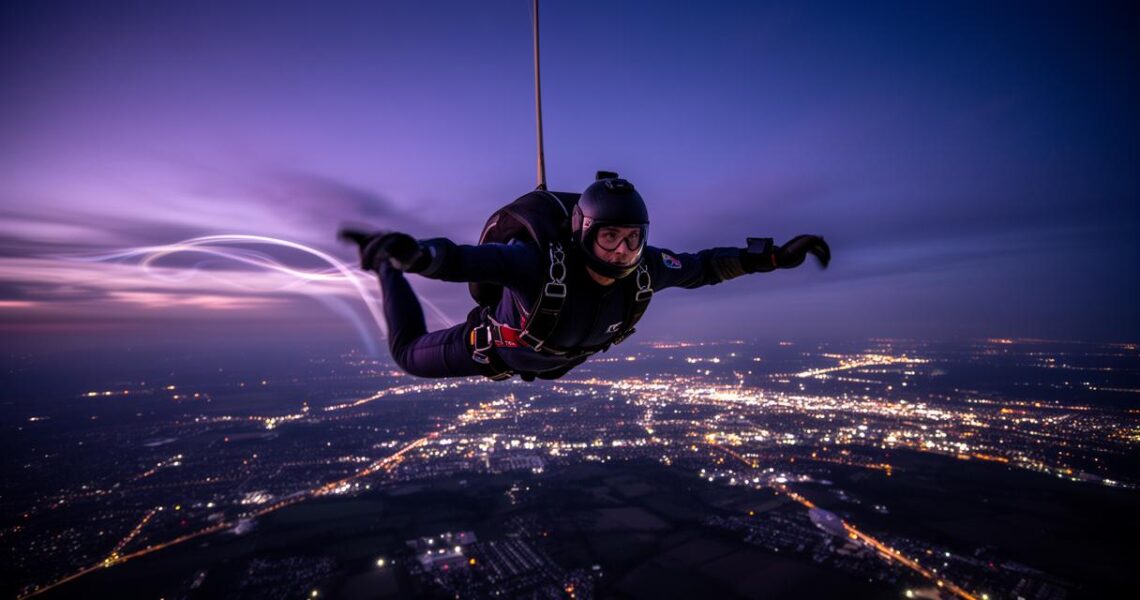
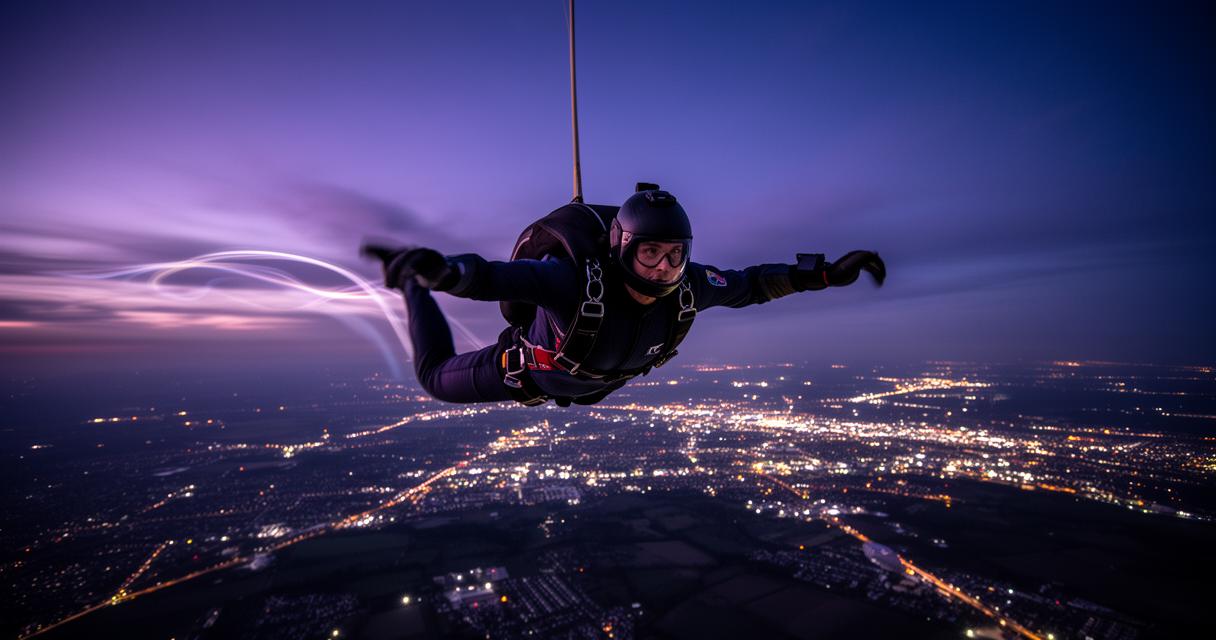
Descending through the night sky presents a sensory experience unlike any other. The usual visual markers that guide a daytime descent are replaced by the soft glow of distant streetlights, the shimmering patterns of urban centres, and the vast expanse of the heavens above. As you accelerate towards terminal velocity at approximately 125 mph, the rush of air and the sensation of weightlessness blend with the surreal beauty of the nocturnal world. The freefall duration varies depending on the altitude from which you exit the aircraft; a jump from 7000ft offers around 10 seconds of freefall, while a leap from 15000ft extends this thrilling moment to approximately 60 seconds. Once the parachute deploys at about 5000ft, the experience transitions into a peaceful glide that lasts roughly five minutes, allowing jumpers to absorb the breathtaking panorama beneath them.
Understanding the Legal and Safety Framework for After-Dark Descents
Skydiving at night operates within a framework of regulations and safety measures designed to mitigate the inherent risks of jumping in low-light conditions. While tandem skydiving is available for those with limited experience, night jumps typically demand a higher level of expertise and certification. The presence of an instructor during a tandem skydive ensures that even newcomers can safely enjoy the sensations of a nocturnal descent, with comprehensive training focused on safety procedures provided before the jump. The risk of injury during a tandem skydive is statistically quite low, with data suggesting that incidents such as sprained ankles occur in fewer than one in 2500 jumps. This reassuring safety record is maintained through rigorous equipment checks, adherence to strict protocols, and the skill of experienced instructors who accompany participants throughout the entire experience.
Essential Safety Requirements and Qualifications for Night Jumps
Minimum age, certification standards and experience levels required
To participate in a tandem skydive, individuals must be at least 16 years old, and those under 18 require parental consent to proceed. There is no upper age limit for tandem jumps, although individuals over 70 may need to meet additional health criteria or provide medical clearance before being approved to jump. Weight restrictions are also in place to ensure the safety of both participants and instructors, with a maximum limit set at 16 stone 5 pounds, equivalent to 104kg. Those weighing over 15 stone may incur extra fees to account for the additional equipment and logistical considerations required. These measures are not arbitrary; they are carefully calibrated to balance accessibility with the realities of safely managing a tandem descent in challenging conditions.
Equipment checks and technical preparations before your night jump
Preparing for a night skydive involves meticulous attention to equipment and attire. Participants are advised to wear suitable clothing, including tracksuit bottoms, long-sleeve tops, and trainers, to ensure comfort and safety during the ascent, freefall, and landing. Before boarding the aircraft, every piece of equipment undergoes thorough inspection, from the parachute harness to the altimeter and communication devices that may be used during the descent. Insurance coverage is included in the jump package, offering up to £10 million in protection, which provides peace of mind for participants and their families. The importance of these preparatory steps cannot be overstated, as they form the foundation of a safe and successful jump, particularly when visibility is reduced and the margin for error is narrower than during daylight hours.
Planning Your Night Skydiving Experience: Booking, Pricing and What to Expect
How to Book Your Night Jump and What Affects the Price
Booking a night skydive requires advance planning, as these jumps are often scheduled around specific dates and weather conditions. Facilities such as those at Chatteris in Cambridgeshire offer tandem skydiving experiences that can be reserved ahead of time, with gift vouchers available for those looking to surprise a loved one with this extraordinary adventure. These vouchers are particularly appealing because they never expire and are 50 percent refundable if plans change. The cost of a night jump may be higher than a standard daytime skydive due to the additional preparations and risks involved, but discounts are sometimes available for those jumping in support of charitable causes. For instance, participants who raise £130 or more for charity may receive a £20 discount on their jump, making the experience both thrilling and philanthropic. It is also important to note that all skydiving activities are weather dependent, with an average success rate of around 60 percent on scheduled days. Should adverse conditions prevent a jump from proceeding, participants can either rebook for a later date or request a refund, ensuring flexibility and fairness in the booking process.
Capturing the Moment: Video Packages and Making Your Jump Memorable
The experience of a night skydive is so unique that many participants choose to invest in video packages to capture every moment. These packages typically include footage from multiple angles, documenting the ascent, the exhilarating freefall, and the serene parachute descent. Sharing these videos with friends and family allows jumpers to relive the adventure and convey the sensations and beauty of their nocturnal leap. On-site facilities at many skydiving centres enhance the overall experience, with camping facilities available for those who wish to stay overnight before or after their jump. A café is often present on the grounds, offering refreshments and a space to relax, although alcohol is strictly prohibited until after all jumps have been completed. Spectators are welcome to attend and witness the bravery of their friends or family members, though they should be prepared for potentially long waiting periods as weather and logistical factors can delay scheduled jumps. Despite these variables, the anticipation and eventual triumph of completing a night skydive create a sense of camaraderie and shared achievement that makes the entire experience worthwhile.