
Choosing the Right Roller Skates for Kids: How to Teach Them Proper Skating Techniques from the Start
Roller skating offers children a brilliant opportunity to develop physical coordination, build confidence, and enjoy outdoor activity in a fun and social environment. As parents and guardians explore ways to introduce their youngsters to this timeless pastime, understanding the essentials of equipment selection and foundational techniques becomes paramount. With the right approach, children can progress from tentative first steps on wheels to gliding smoothly with joy and assurance. This guide provides practical advice on choosing appropriate roller skates and establishing proper skating habits from the very beginning.
Selecting quality roller skates and essential safety equipment
When it comes to introducing children to roller skating, the quality and fit of the skates themselves play a crucial role in ensuring both safety and enjoyment. Roller skates designed specifically for kids typically feature a low centre of gravity, which enhances stability and helps young learners maintain balance as they develop their skills. It is essential to choose skates that fit snugly yet comfortably, as an improper fit can lead to discomfort and increase the risk of injury. Parents should resist the temptation to purchase skates that are excessively large with the intention of accommodating future growth, as this can compromise balance and control. Ideally, the skates should be no more than one size larger than the child's current shoe size, allowing for a secure fit whilst providing a modest amount of room for growing feet.
Finding properly aligned skates for growing feet
Understanding the different types of roller skates available can help parents make informed decisions that suit their child's developmental stage and skating ambitions. Adjustable toe-extension skates are a popular choice because they can be easily modified to accommodate growing feet, making them a cost-effective option for families. However, it is important to note that extending the toe area may slightly alter the skate's balance, which can affect a child's stability during the learning phase. Alternatively, internal twist-adjustment skates offer a stable fit by adjusting the interior mechanism without changing the external footprint of the skate. These models tend to be bulkier but provide consistent support, which can be particularly beneficial for beginners who require a reliable platform as they master basic techniques.
For children aged five and under, lightweight skates without traditional trucks are often recommended. These simpler designs reduce the complexity of turning and allow young skaters to focus on fundamental balance and movement without the additional challenge of managing responsive steering mechanisms. Brands such as Epic Princess, Crazy Skates, and Starfire offer models specifically tailored to smaller sizes, ensuring that the youngest learners have access to appropriately scaled equipment. As children grow older and gain more experience, transitioning to skates with quality trucks and soft bushings can enhance their ability to execute controlled turns and develop more advanced skating skills.
The Importance of Protective Gear: Kneepads, Wrist Guards, and Helmets
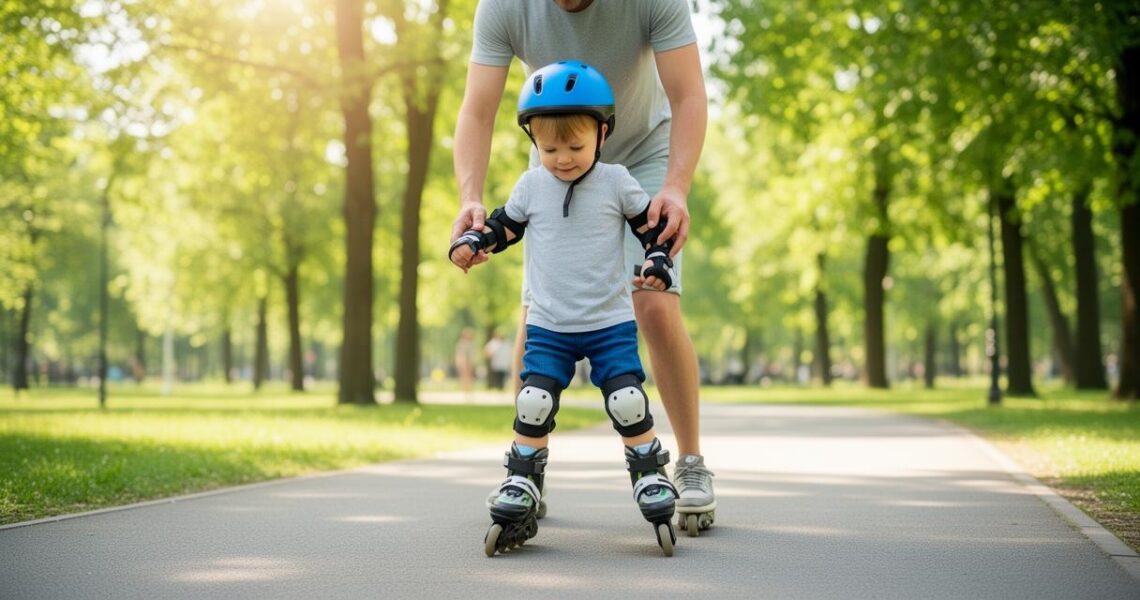
Safety equipment is non-negotiable when it comes to roller skating, particularly for beginners who are still developing their coordination and confidence. Kneepads, wrist guards, and helmets form the essential trio of protective gear that can significantly reduce the risk of injury during falls. Children are naturally prone to losing balance as they learn, and ensuring they are properly equipped with high-quality protective gear provides peace of mind for parents whilst allowing youngsters to explore their abilities without fear. Wrist guards are especially important, as instinctive reactions to falling often involve extending the hands, making wrists vulnerable to sprains and fractures. Kneepads cushion impacts and protect the joints, whilst a well-fitted helmet safeguards the head from potential bumps and bruises.
In addition to the core protective items, parents should also pay attention to the quality of toe stops on the skates. Toe stops made from rubber or urethane provide superior grip and safety compared to plastic alternatives, which can wear down quickly and offer less reliable stopping power. Ensuring that all safety gear is worn correctly and consistently reinforces good habits and helps children understand the importance of taking precautions. By prioritising safety from the outset, parents can create a supportive environment where children feel empowered to learn and progress at their own pace.
Building confidence: walking before skating
Before children can glide smoothly across surfaces, they must first become comfortable with the sensation of having wheels beneath their feet. One of the most effective ways to build this foundational confidence is to encourage walking exercises whilst wearing roller skates. This seemingly simple activity allows young learners to acclimate to the weight and balance of the skates without the added complexity of forward motion. Walking on skates helps children understand how their movements translate into motion and provides an opportunity to practice maintaining an upright posture and steady gait.
Mastering balance through walking exercises on skates
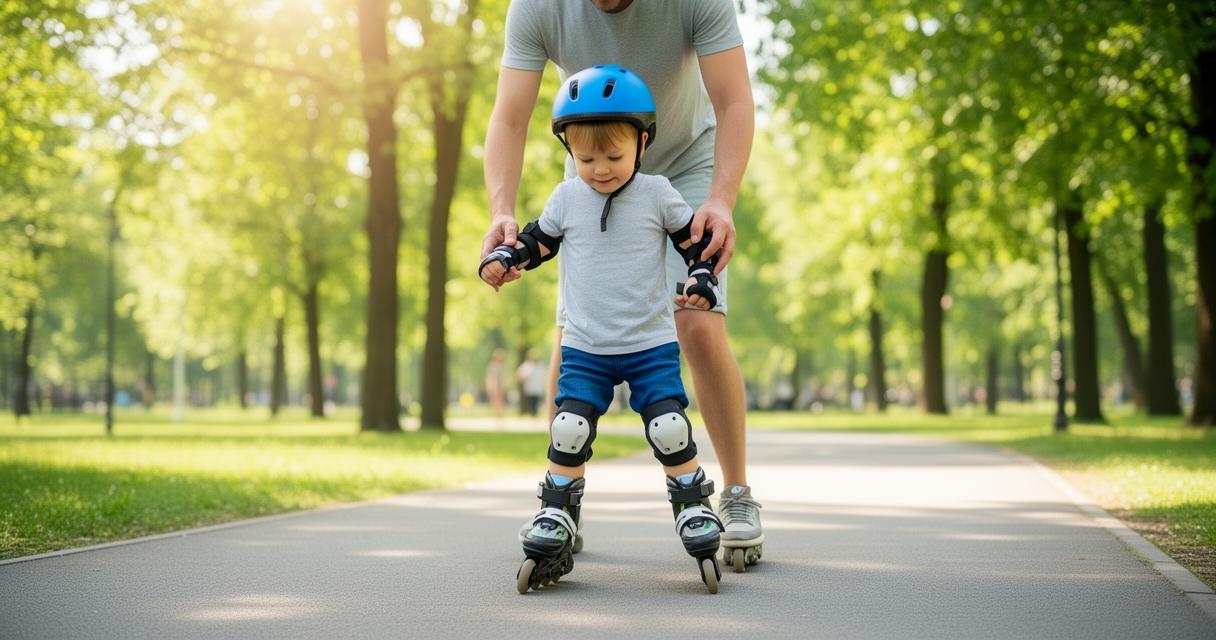
Practising walking on skates should begin on a flat, stable surface where the child can focus entirely on balance without worrying about rolling away uncontrollably. Encouraging children to take small, deliberate steps helps them develop muscle memory and coordination, which are critical for more advanced skating techniques. Parents can support this process by holding their child's hand or providing a gentle guiding touch, gradually reducing assistance as confidence grows. It is important to celebrate small victories during this stage, as positive reinforcement can significantly boost a child's willingness to persevere through initial challenges.
As children become more comfortable with walking, they can begin to experiment with shifting their weight from one foot to the other and attempting gentle glides. This progression should be gradual and dictated by the child's own readiness, as rushing through these foundational steps can lead to frustration and setbacks. Encouraging playful exploration, such as walking to a favourite toy or pretending to march like a parade, can make the learning process more engaging and enjoyable. The goal at this stage is not to achieve speed or complex manoeuvres, but to instil a sense of control and familiarity with the equipment.
Creating a Safe Practice Environment for Early Movement
Choosing the right location for early skating practice is just as important as selecting the proper equipment. A smooth, flat surface such as a paved driveway, an empty car park, or a quiet park path provides an ideal setting for beginners to practise without the hazards of uneven terrain or heavy traffic. Indoor skating rinks also offer controlled environments where children can learn under the supervision of experienced staff, and many rinks provide designated beginner sessions that cater specifically to young learners. These settings not only offer safety but also create opportunities for children to observe and interact with other skaters, which can be both motivating and educational.
Parents should ensure that the practice area is free from obstacles and hazards, such as loose gravel, puddles, or sudden inclines, that could cause trips or falls. Establishing clear boundaries and rules for where and when skating is permitted helps children understand the importance of safety and situational awareness. Additionally, selecting times when the area is less crowded can reduce distractions and allow children to focus on their movements without feeling self-conscious or overwhelmed. By thoughtfully curating the practice environment, parents can help their children build the confidence and skills needed to progress to more dynamic skating activities.
Age-Appropriate Learning and the Role of Structured Lessons
Determining the right age to introduce children to roller skating depends on individual readiness and physical development. Whilst some children may show interest and capability as early as three or four years old, others may benefit from waiting until they are slightly older and have developed stronger coordination and balance. Generally, children around the age of five have the physical and cognitive skills necessary to grasp basic skating concepts, though this can vary widely based on personality and prior experience with similar activities.
Determining the Right Age to Begin Roller Skating
Parents should observe their child's interest in skating and assess their ability to follow instructions and maintain focus during practice sessions. Younger children may require more patient guidance and shorter practice periods, as their attention spans and physical endurance are still developing. It is important to approach the learning process with flexibility and to recognise that each child will progress at their own pace. Encouraging a playful and pressure-free approach helps prevent frustration and ensures that roller skating remains an enjoyable activity rather than a source of stress.
For children who demonstrate a strong interest in skating and wish to advance their skills more rapidly, structured lessons can provide valuable instruction and support. Professional skating classes offer the advantage of experienced instructors who understand the developmental needs of young learners and can introduce techniques in a safe and systematic manner. These classes also provide a social environment where children can interact with peers, share experiences, and develop friendships based on a common interest. The combination of expert guidance and peer interaction can significantly enhance a child's motivation and enjoyment of the sport.
How professional lessons can accelerate skill development
Enrolling children in skating classes can accelerate their learning by introducing them to structured drills and progressive skill-building exercises that might be difficult for parents to replicate at home. Instructors are trained to identify common challenges and provide targeted feedback that helps young skaters overcome obstacles and refine their techniques. Additionally, classes often include instruction on essential skills such as stopping, turning, and falling safely, all of which are critical for long-term safety and confidence.
Professional lessons also emphasise the importance of rink etiquette and respectful behaviour, teaching children to navigate shared spaces with awareness and consideration for others. Learning to follow directional flow, yield to faster skaters, and respect personal space are valuable lessons that extend beyond the rink and contribute to a child's overall social development. Many skating facilities offer beginner classes specifically designed for young children, with sessions that are shorter in duration and tailored to the attention spans and physical capabilities of younger learners.
Parents who choose to support their child's skating journey through professional lessons should look for programmes that prioritise safety, positive reinforcement, and age-appropriate instruction. Observing a class before enrolling can provide insight into the teaching style and environment, ensuring it aligns with the family's values and the child's needs. By combining home practice with structured lessons, parents can create a comprehensive learning experience that fosters both skill development and a lifelong love of roller skating.