
Your Complete Guide to the Essential Steps to Get Started Successfully in Snowscoot: Tips for Beginners on Dressing for Success and Safety
Snowscoot represents a thrilling fusion of BMX freestyle and alpine skiing, combining the best elements of both disciplines into an exhilarating winter experience. Whether you are drawn to the freedom of gliding down snow-covered slopes or the technical challenge of mastering balance and control on a unique piece of equipment, this sport welcomes beginners with open arms. Yet, like any winter activity, success and enjoyment hinge upon understanding the fundamentals, respecting safety protocols, and embracing a structured learning process that builds confidence step by step.
Essential Equipment and Safety Gear for Your First Snowscoot Adventure
Embarking on your maiden snowscoot journey requires more than enthusiasm; it demands the right tools and protective measures. Proper equipment lays the foundation for both performance and security, ensuring that your initial attempts on the slopes are as safe as they are enjoyable. From selecting a suitable snowscoot model to donning appropriate attire, every detail plays a vital role in shaping your experience.
Selecting the Right Snowscoot and Understanding Its Components
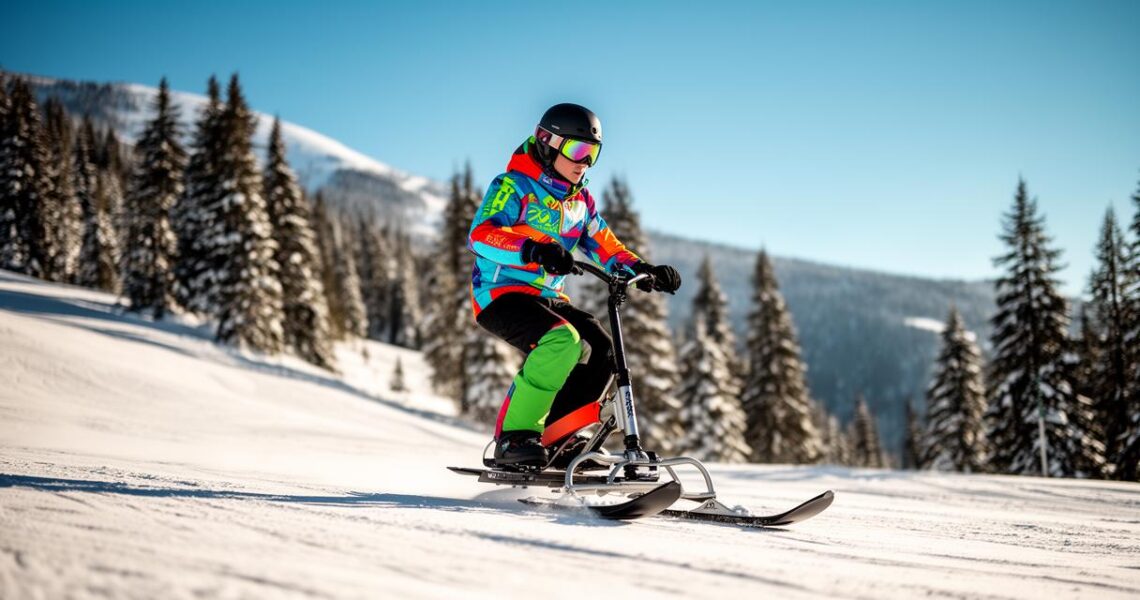
Choosing the correct snowscoot is paramount for anyone new to the discipline. These machines typically consist of a sturdy frame, handlebars for steering, and two skis mounted beneath, one at the front and another at the rear. The design allows riders to control their descent using techniques borrowed from BMX biking and skiing, making it accessible yet distinctive. For beginners, it is wise to opt for models that emphasise stability over advanced features, as these will provide a forgiving platform upon which to develop core skills. The frame should be robust yet lightweight, enabling easy manoeuvrability while withstanding the rigours of repeated runs. Handlebars must offer a comfortable grip and responsive steering, allowing subtle adjustments to direction without abrupt jerks that could destabilise a novice. Understanding the interplay between these components helps riders appreciate how shifts in weight and handlebar angle influence trajectory and speed. Bindings are another crucial consideration, as they secure your feet to the snowscoot without restricting natural movement. Many beginners overlook this aspect, yet using the right bindings can dramatically enhance control and comfort. They should hold firmly enough to prevent slippage while permitting slight adjustments in stance, which is essential when navigating varied terrain. Consulting with experienced riders or specialist retailers can provide invaluable insights into which models and configurations best suit your physique, skill level, and intended use.
Protective clothing and safety measures you cannot ignore
Dressing appropriately for snowscooting transcends mere comfort; it is a fundamental component of injury prevention. The mountain environment presents challenges ranging from bitterly cold temperatures to unpredictable weather shifts, and your clothing must respond to these variables while offering robust protection. Layering is the cornerstone of effective winter attire, beginning with moisture-wicking base layers that keep perspiration away from your skin, thereby maintaining warmth and preventing chills. Mid-layers should provide insulation without bulk, allowing freedom of movement crucial for dynamic riding. Outerwear must be waterproof and windproof, shielding you from snow and harsh gusts that can sap energy and impair focus. Beyond clothing, protective gear is non-negotiable. A certified helmet designed for winter sports is essential, as it guards against head injuries that could arise from falls or collisions. Wrist guards are equally important, given the instinctive reaction to break a fall with outstretched hands, which can result in fractures or sprains. Knee and elbow pads offer additional reassurance, particularly during the learning phase when tumbles are inevitable. Goggles protect your eyes from glare, wind, and flying snow, ensuring clear vision throughout your descent. Never underestimate the importance of gloves that combine warmth with dexterity, enabling you to maintain a firm grip on the handlebars even in frigid conditions. Safety measures extend beyond personal equipment to encompass awareness of your surroundings. Familiarise yourself with the slope's layout, identifying areas suitable for beginners and noting any obstacles or hazards. Respecting signage and adhering to resort rules minimises risk not only for yourself but also for fellow slope users. Snowscooting demands a mindset that prioritises caution without sacrificing the joy and excitement inherent in the sport.
Mastering the Fundamentals: Techniques and Body Positioning for Beginners
Once equipped and attired properly, the next phase involves developing the technical skills that transform tentative attempts into confident runs. Snowscooting relies heavily on balance, coordination, and an intuitive understanding of how body movements translate into directional changes and speed control. Beginners who invest time in mastering these fundamentals set themselves up for rapid progression and enduring enjoyment.
Learning Proper Stance and Balance on Your Snowscoot
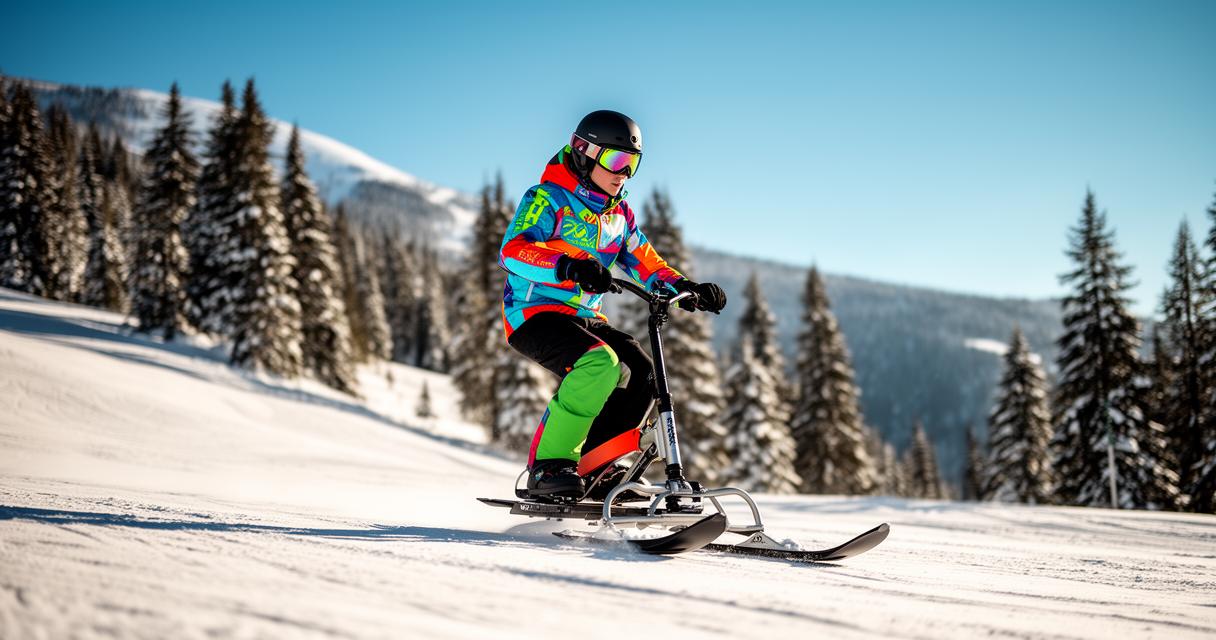
Your stance forms the bedrock of effective snowscooting, influencing everything from stability to responsiveness. Stand with your feet shoulder-width apart, knees slightly bent, and your weight centred over the snowscoot. This neutral position allows you to absorb undulations in the terrain and react swiftly to changes in gradient or texture. Leaning too far forward can lead to excessive speed and potential loss of control, while leaning back may cause the front ski to lift, reducing steering capacity. Practising on gentle slopes helps you develop an instinctive feel for weight distribution, teaching your muscles and reflexes to adjust automatically as conditions evolve. Handlebar grip also merits attention, as a relaxed yet firm hold enables precise steering without tensing your upper body. Tension restricts fluid movement and can telegraph through your arms, destabilising your entire posture. Instead, focus on maintaining a supple grip that allows micro-adjustments in direction while keeping your core engaged and your gaze directed downslope. This forward-looking habit not only improves balance by aligning your centre of gravity but also enhances situational awareness, enabling you to anticipate obstacles and plan your route proactively. Balance drills conducted off-snow, such as standing on one leg or using balance boards, can complement on-slope practice by strengthening stabilising muscles and refining proprioception. Consistency is key; regular sessions, even if brief, yield better results than sporadic, marathon attempts that fatigue muscles and dull concentration.
Executing Turns and Controlling Speed with Confidence
Turning and speed management are the twin pillars of snowscoot proficiency, empowering you to navigate diverse terrain with poise. Initiate turns by shifting your weight subtly in the desired direction while simultaneously angling the handlebars. This coordinated action tilts the skis onto their edges, carving an arc through the snow. Beginners often make the mistake of relying solely on handlebar input, which results in skidded turns that feel unstable and inefficient. Instead, think of your body as the primary steering mechanism, with the handlebars providing fine-tuning rather than brute force. Practise linking gentle turns in a rhythmic sequence, establishing a flow that builds confidence and muscle memory. Controlling speed requires a blend of techniques, including deliberate weight shifts, controlled skidding, and judicious use of terrain. Leaning back slightly and applying pressure through your heels can slow your descent, as can steering across the fall line in a series of controlled traverses. Avoid the temptation to drag your feet or use external objects to brake, as these methods compromise balance and increase injury risk. As your skills mature, you will discover that speed control becomes intuitive, an unconscious adjustment seamlessly integrated into your riding rhythm. Progressing from beginner to intermediate slopes should be gradual, allowing you to apply these techniques in increasingly challenging contexts without overwhelming your developing abilities.
Accelerating your progress: lessons, instructors, and avoiding common mistakes
While self-guided learning has its merits, structured instruction accelerates progress and instils good habits that might otherwise take seasons to develop. Engaging with experienced instructors and participating in organised courses offers insights that transcend basic technique, encompassing strategy, safety, and the mental aspects of winter sports performance.
The Value of Professional Instruction and Structured Courses
Instructors bring a wealth of experience and pedagogical expertise, tailoring lessons to individual needs and learning styles. They identify subtle flaws in stance or technique that self-taught riders might overlook, providing corrective feedback that prevents the entrenchment of bad habits. Courses designed for different skill levels ensure that the content remains relevant and challenging, avoiding the frustration of lessons that are either too simplistic or overwhelmingly complex. Group sessions foster camaraderie and shared learning, as observing peers grappling with similar challenges can offer fresh perspectives and motivational support. Meanwhile, one-to-one tuition delivers personalised attention, allowing instructors to delve deeply into specific areas where you struggle or wish to refine your skills. Many resorts and snowscoot organisations offer courses that blend on-slope practice with theoretical instruction, covering topics such as equipment maintenance, slope etiquette, and environmental awareness. This holistic approach cultivates well-rounded riders who appreciate the sport's broader context and contribute positively to the snowscooting community. Do not hesitate to seek out instructors with recognised qualifications and positive reviews, as the quality of teaching varies and your safety and progress depend on their competence.
Recognising and correcting typical beginner errors
Even with diligent practice and professional guidance, beginners inevitably encounter common pitfalls that can hinder progress if left unchecked. One frequent mistake involves over-gripping the handlebars, which induces tension throughout the upper body and restricts fluid movement. Remind yourself to maintain a relaxed grip, checking periodically that your shoulders remain down and your arms slightly bent. Another error is looking down at the snowscoot or your feet rather than directing your gaze along your intended path. This downward focus disrupts balance and prevents you from anticipating terrain changes, resulting in reactive rather than proactive riding. Train yourself to look ahead consistently, trusting your peripheral vision and muscle memory to manage the immediate space around your snowscoot. Rushing progression is perhaps the most detrimental error, as attempting advanced slopes or techniques before mastering the basics increases the risk of injury and erodes confidence. Patience is a virtue in snowscooting; celebrate incremental improvements and recognise that each session contributes to a cumulative skill set that will eventually enable you to tackle more demanding challenges. Equally, neglecting rest and recovery can lead to fatigue-induced mistakes and overuse injuries. Listen to your body, allowing adequate time between sessions for muscles to repair and adapt. Finally, failing to review and reflect on each outing means missed opportunities for learning. Whether through mental replay, video analysis, or discussion with instructors and peers, reflection solidifies lessons and highlights areas for future focus, ensuring that your snowscoot journey remains one of continuous evolution and enjoyment.